If you’ve ever stared at a bare balcony, a patch of concrete, or a sunny kitchen windowsill, I get it.
For a long time I figured you needed a big backyard, expensive tools, and some kind of magical green thumb.
To grow anything worth eating or looking at.
Additionally, most Gardening Ideas at Home start so small that you barely need a pot, soil, and curiosity.
The thing about home gardening is that it meets you exactly where you are. You can grow basil in a repurposed takeout container, train beans up a balcony railing, or turn a single shelf into a mini salad factory. No yard. No prior experience. No problem.
Below you’ll find ten practical, low-pressure gardening ideas at home that anyone can try. Pick one, see how it feels, and let the dirt do the rest.
1. Container Gardening Ideas at Home (No Yard Required)
What it is:
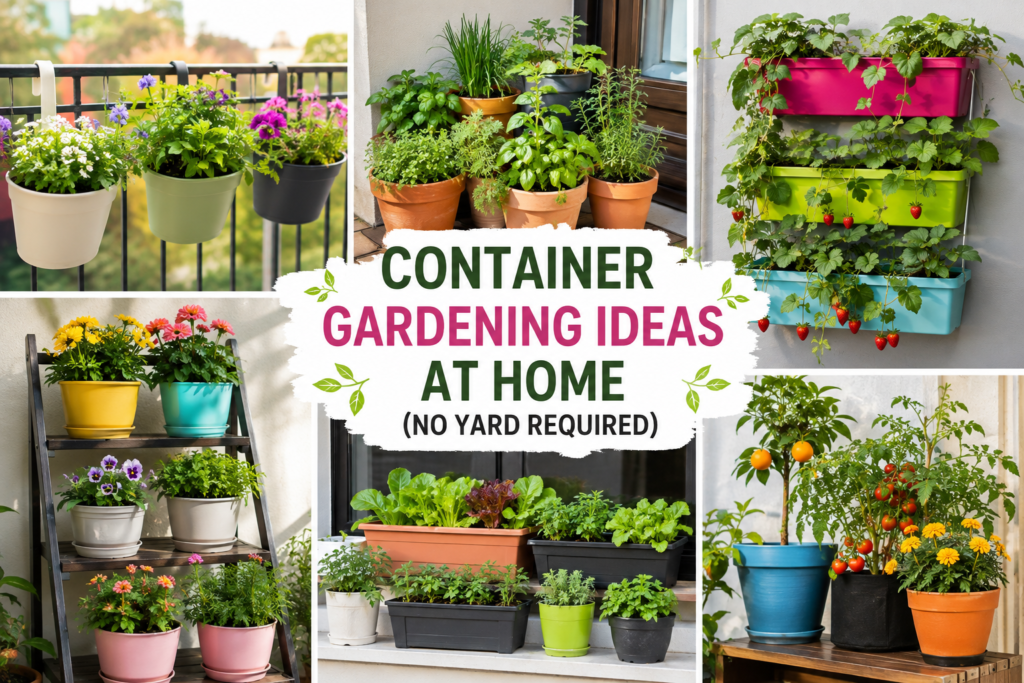
Container gardening simply means growing plants in pots, tubs, buckets, or any vessel that holds soil and drains water. It’s one of the most flexible gardening ideas at home because you can do it on a porch, a fire escape, a sunny doorstep, or even inside.
Why it works:
You control everything — soil quality, water, sun exposure, and location. If the light changes, you can move the pot. If you’re renting, you take your garden with you when you leave.
How to get started:
Grab a container that’s at least 6–8 inches deep, make sure it has drainage holes, fill it with potting mix (not garden soil), and pick one plant you actually want to eat or smell. Place it where it’ll get at least 4–6 hours of sunlight.
What to grow:
Herbs (basil, mint, chives), leafy greens (lettuce, spinach), cherry tomatoes, and compact peppers all thrive in pots.
Helpful tip:
Water until it runs out the bottom, then let the top inch of soil dry before watering again. Overwatering kills more container plants than neglect ever does.
A small observation:
There’s something quietly satisfying about stepping outside with kitchen scissors and snipping exactly the amount of basil you need for dinner. No plastic clamshell, no wilted leftovers.
2. Vertical Gardening Ideas at Home for Small Walls and Tight Corners
What it is:
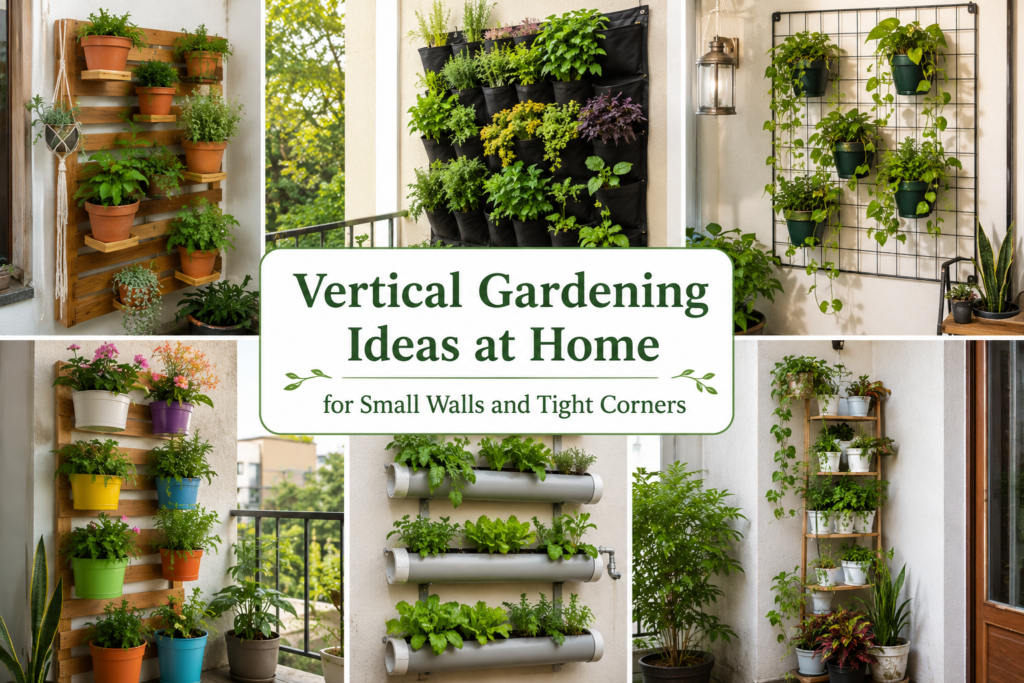
Vertical gardening uses walls, trellises, hanging pockets, or stacked planters to grow upward instead of outward. It’s one of those gardening ideas at home that makes a tiny space feel twice as productive.
Why it works:
It saves floor space, improves air circulation around plants, and turns a blank wall into something alive. Even a narrow side alley can become a green focal point.
How to get started:
Install a simple trellis, hang a pocket planter, or attach small pots to a sunny fence or balcony wall. Choose lightweight potting mix to avoid stressing the structure.
What to grow:
Trailing plants like strawberries, bush beans, nasturtiums, thyme, and small lettuces do well vertically. Pothos and philodendrons work indoors.
Helpful tip:
Water from the top down so excess moisture feeds the lower plants, but check the bottom containers aren’t staying soggy.
A small observation:
The first time I saw strawberries cascading out of a hanging shoe organizer on a balcony wall, I realized almost anything can become a garden if you look at it sideways.
3. Balcony Gardening Ideas at Home That Make the Most of a Tiny Space
What it is:
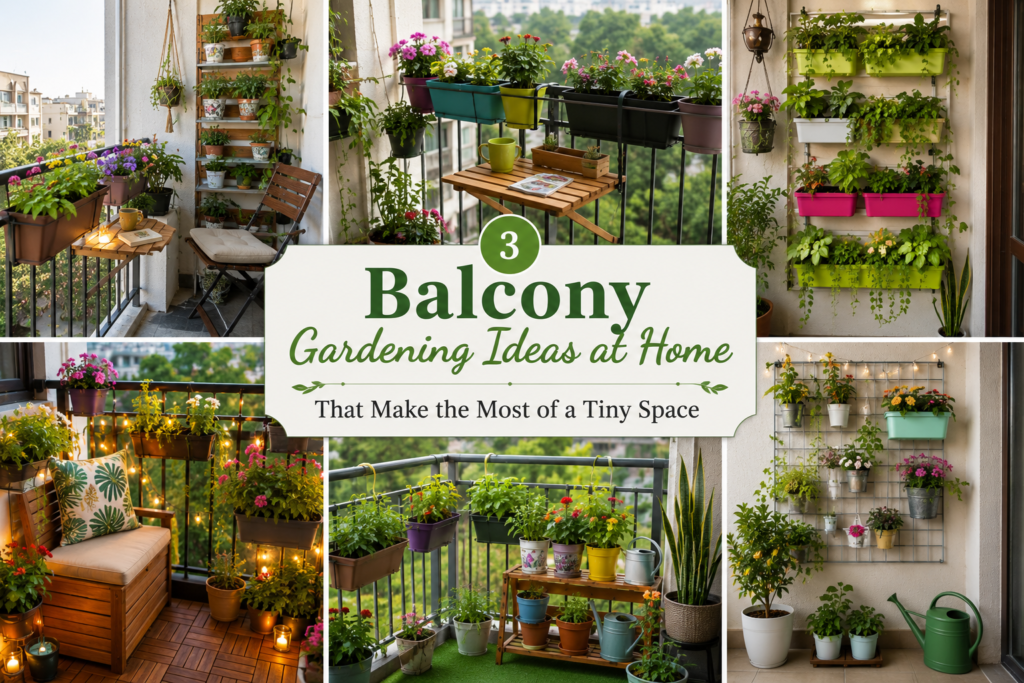
Balcony gardening is all about working with a compact footprint — usually a few square feet of railing and floor. These gardening ideas at home prioritize lightweight pots, railing planters, and vertical accents.
Why it works:
Balconies often get great sunlight and natural airflow. With a little planning you can grow a surprising amount of food and flowers without overcrowding.
How to get started:
Assess your sunlight: a south-facing balcony gets full sun; north-facing may be quite shady. Choose plants accordingly. Use railing planters for herbs and flowers, and keep floor pots to a manageable size so you can still sit outside.
What to grow:
Bush tomatoes, dwarf peppers, salad greens, radishes, and compact flowers like marigolds or petunias.
Helpful tip:
Wind can dry out balcony plants fast. Group pots together to create a humid microclimate and use saucers to catch water without dripping onto neighbors below.
A small observation:
A balcony garden often becomes the coziest corner of a home — the place where you drink coffee in the morning and check on your plants as if they’ve grown overnight (sometimes they have).
4. Small Garden Ideas at Home That Feel Bigger Than They Are
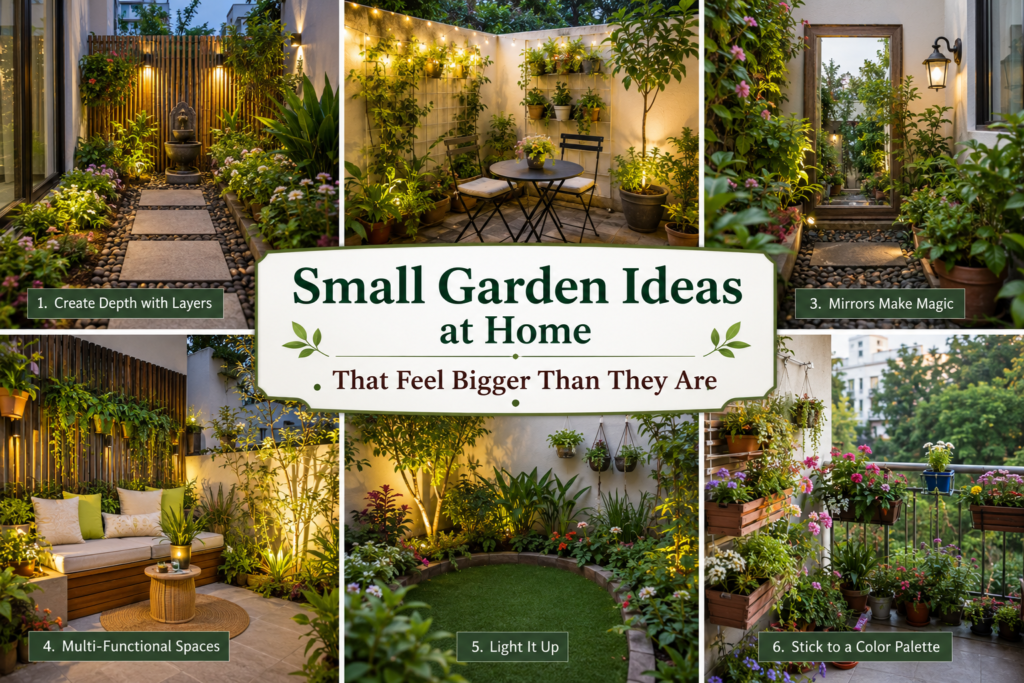
What it is:
If you have a tiny yard, a narrow side return, or just a strip of soil along a fence, these gardening ideas at home help you maximize every inch. Think raised beds, deep borders, and clever layouts.
Why it works:
Small doesn’t mean unproductive. A well-planned small garden can out-yield a messy large one because you actually tend it more carefully.
How to get started:
Build or buy a small raised bed (even 3×3 feet), fill it with good soil, and plant intensively. Use narrow trellises for climbing plants like cucumbers or peas.
What to grow:
Cut-and-come-again lettuce, carrots, bush beans, kale, and herbs. Edible flowers like calendula add color and attract pollinators.
Helpful tip:
Plant taller crops on the north side of the bed to avoid shading shorter plants. Succession planting — sowing a few seeds every two weeks — keeps harvests steady.
A small observation:
Sometimes the gardens that matter most are the ones you can see from your kitchen window while washing dishes. A small patch of green right there changes the whole rhythm of the day.
5. Indoor Gardening Ideas at Home: Yes, You Can Grow Food on Your Windowsill
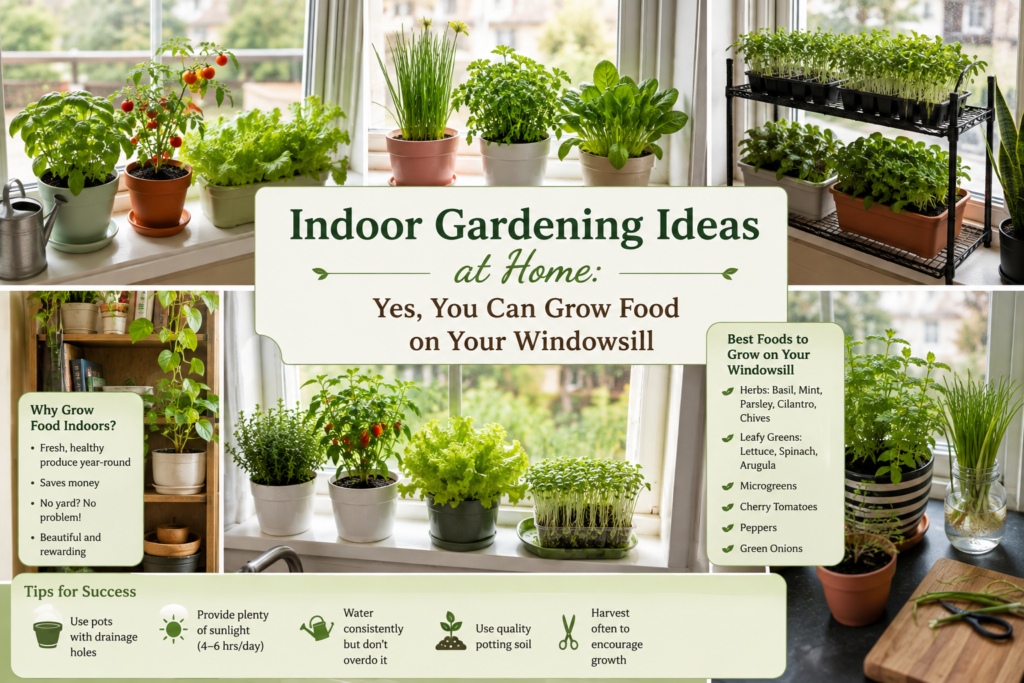
What it is:
Indoor gardening brings edible and ornamental plants into your living space. It’s one of those gardening ideas at home that blurs the line between decor and dinner.
Why it works:
You don’t need outdoor space, and you can garden year-round. A bright windowsill is enough to grow herbs, microgreens, and compact leafy greens.
How to get started:
Pick a south or west-facing window. Use small pots with drainage trays, fill them with lightweight potting mix, and start with foolproof plants. If natural light is limited, an inexpensive LED grow light makes a huge difference.
What to grow:
Basil, chives, mint, microgreens (radish, pea shoots), and leafy lettuces. Even a small aloe or spider plant adds life to a room.
Helpful tip:
Indoor air can be dry, especially in winter. Mist plants occasionally or set pots on a pebble tray with water to boost humidity.
A small observation:
Watching a seed sprout on your desk in the middle of February feels a little bit like getting away with something. A tiny rebellion against the gray outside.
6. Vegetable Gardening Without a Backyard (It’s Easier Than You Think)
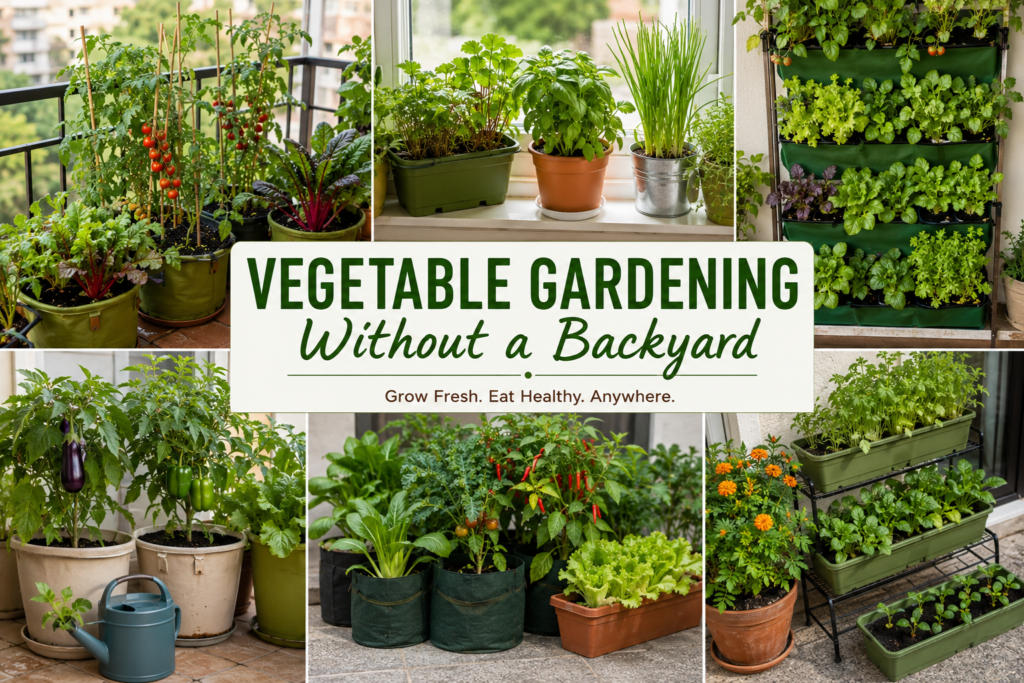
What it is:
You don’t need a traditional garden plot to grow your own vegetables. This approach combines containers, small beds, and sunny spots to create a mini edible garden at home.
Why it works:
Many vegetables are surprisingly compact and quick to mature. It’s one of those home gardening ideas that shifts your mindset from “I can’t” to “what can I fit?”
How to get started:
Pick two or three vegetables you actually enjoy eating. Start with easy ones: lettuce, radishes, green onions. Plant them in deep containers or a small raised planter and place them where they get 6+ hours of sun.
What to grow:
Loose-leaf lettuce, radishes, scallions, spinach, cherry tomatoes, and bush varieties of beans or peas.
Helpful tip:
Harvest leafy greens from the outside first, letting the inner leaves keep growing. You’ll get multiple meals from a single planting.
A small observation:
There’s a moment when you realize the lettuce in your bowl was alive and growing an hour ago. It’s a small thing, but it makes the meal feel different.
7. DIY Garden Ideas You Can Make from Stuff You Already Have
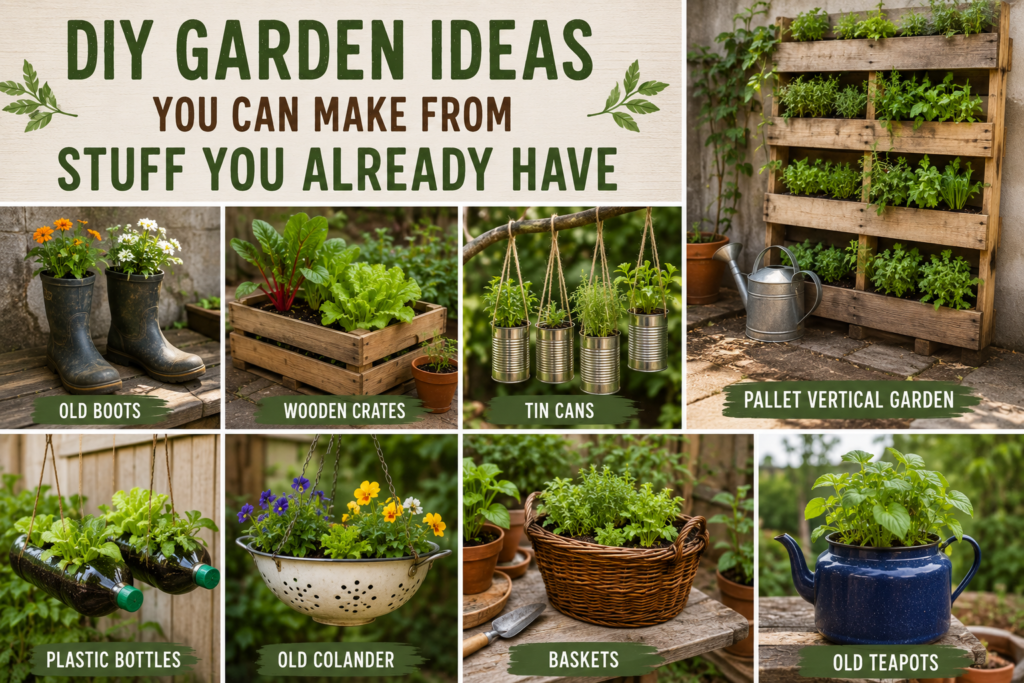
What it is:
DIY garden projects turn everyday items into planters, supports, and tools. It’s one of those creative gardening ideas at home that costs very little and feels surprisingly rewarding.
Why it works:
Repurposing keeps materials out of the trash and gives your garden personality. It also removes the pressure to buy “proper” gardening gear.
How to get started:
Look for food-safe containers: wooden crates, tin cans (with drainage holes punched), old colanders, or sturdy tote bags. Build a simple trellis from bamboo stakes or branches tied with twine.
What to grow:
Herbs, leafy greens, and shallow-rooted annual flowers work beautifully in upcycled containers.
Helpful tip:
Always clean containers thoroughly before planting, especially if they previously held food. Avoid any materials that might leach chemicals, like treated wood or rusty metal with unknown coatings.
A small observation:
Making something from nothing is half the fun. A row of basil in old paint buckets lined up on a fire escape might not look like a magazine spread, but it’s yours — and it works.
8. Low-Maintenance Gardening Ideas for People Who Forget to Water
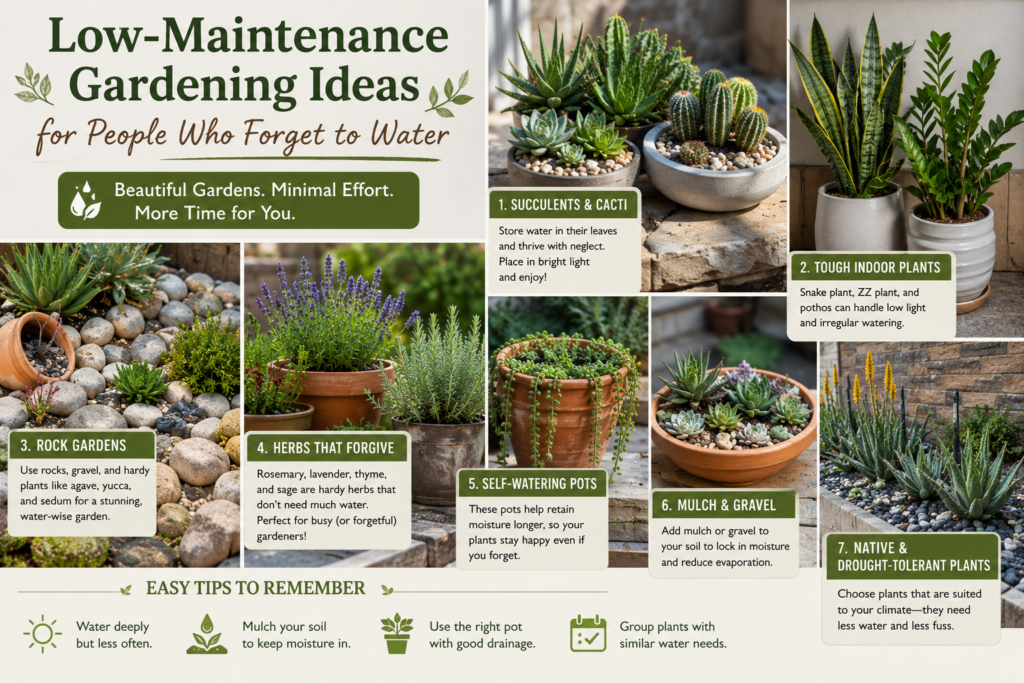
What it is:
Low-maintenance gardening means setting up systems so your plants thrive even when life gets busy. If you’re looking for gardening ideas at home that forgive a missed day or two, this is your category.
Why it works:
Choosing resilient plants and smart setups removes the guilt. You still get the joy without the daily stress.
How to get started:
Select drought-tolerant herbs like rosemary, thyme, oregano, and sage. Use larger pots (they dry out slower), add mulch on top of the soil to retain moisture, and group plants with similar watering needs together.
What to grow:
Mediterranean herbs, succulents, snake plants, ZZ plants, cherry tomatoes (once established), and chard.
Helpful tip:
Water deeply but less frequently. This encourages roots to grow deeper, making plants more self-sufficient. A simple self-watering container can buy you days between watering.
A small observation:
Some of the healthiest gardens I’ve seen belong to people who occasionally forget they exist. They watered, walked away, and came back to find everything still alive and kicking.
9. Budget-Friendly Gardening Ideas That Won’t Empty Your Wallet
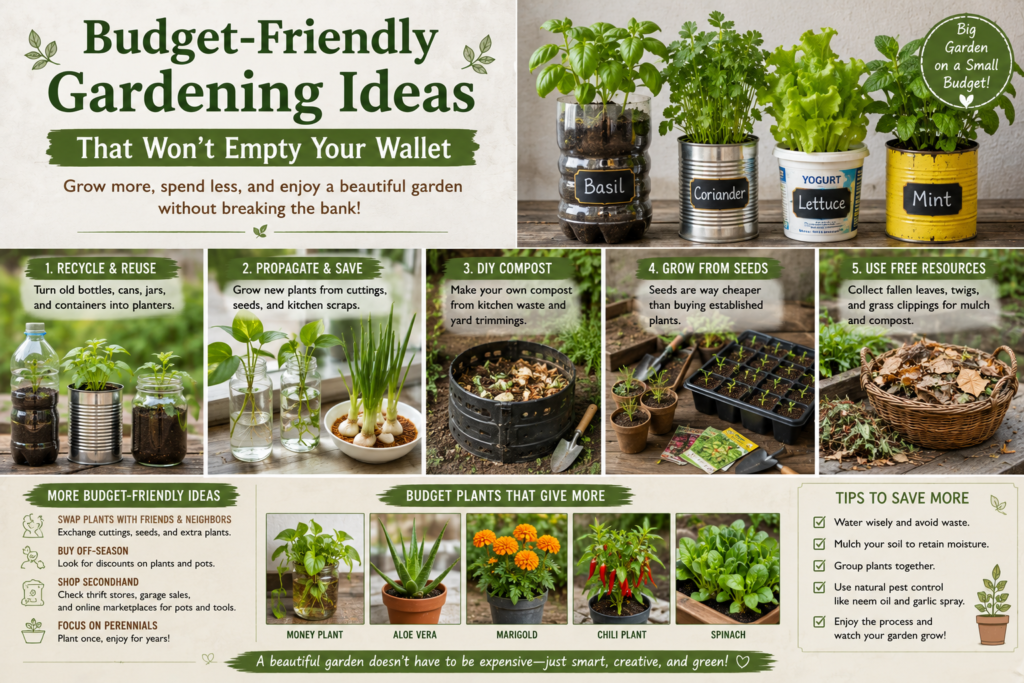
What it is:
A budget-friendly approach proves you don’t need expensive supplies to grow something beautiful. These gardening ideas at home start with seeds, swaps, and a little patience.
Why it works:
Gardening can be incredibly affordable if you focus on what matters: good soil, sunlight, and plants that grow easily from seed or cuttings.
How to get started:
Buy seeds instead of starter plants (a packet costs less than one nursery plant and gives you dozens of tries). Use clean yogurt cups or newspaper pots for seedlings. Swap plant cuttings with friends or neighbors.
What to grow:
Herbs from seed (basil, cilantro), fast-growing greens, marigolds, zinnias, and anything you can propagate, like mint or pothos.
Helpful tip:
Save eggshells, crush them, and sprinkle around plants to add calcium and deter slugs. Coffee grounds mixed into soil can improve texture, but use them sparingly.
A small observation:
A windowsill lined with yogurt-cup seedlings might not be glamorous, but watching them stretch toward the light feels like a little triumph every morning.
10. A Simple Starter Garden You Can Set Up on Saturday
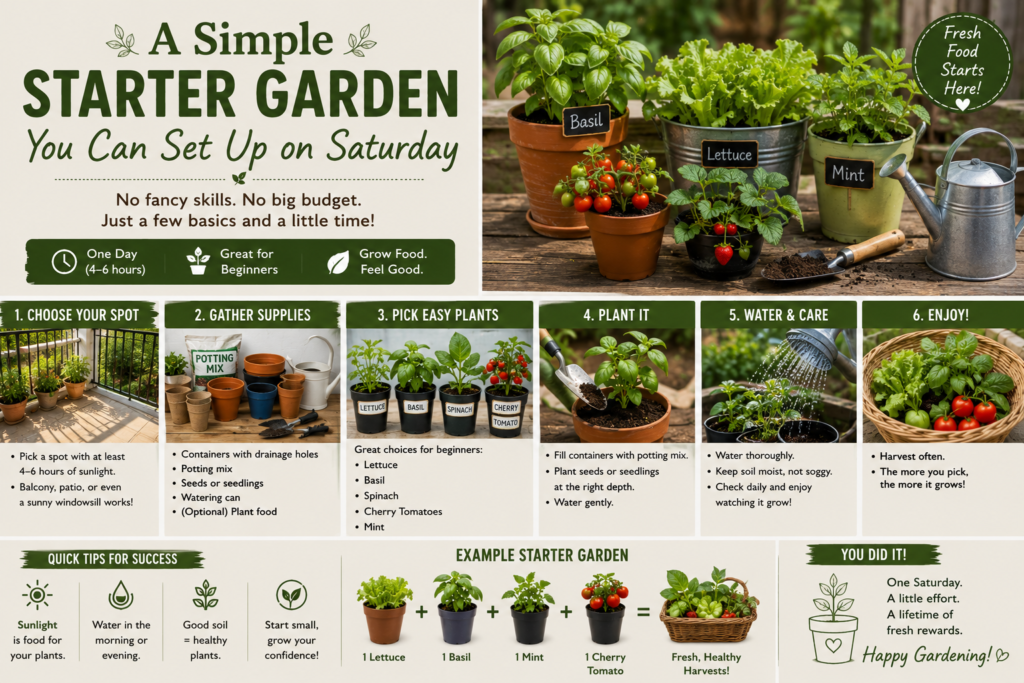
What it is:
This is your permission slip to stop reading and start planting. It’s a tiny, complete garden plan that turns one sunny morning into the beginning of something green.
Why it works:
Action beats overthinking. When you have a clear, minimal setup, starting doesn’t feel like a chore. It feels like a Saturday well spent.
How to get started:
Pick one sunny spot (outdoors or indoors). Grab three containers, each at least 6 inches deep with drainage holes. Fill them with potting mix. In the first pot, plant basil. In the second, plant loose-leaf lettuce. In the third, tuck in a compact cherry tomato seedling or sow a few bush bean seeds. Water gently and place them where they’ll catch morning sun.
What to grow:
Basil, lettuce, cherry tomato or bush beans. That’s it. Three pots. Real food.
Helpful tip:
Write the planting date on a popsicle stick and stick it in the soil. In a week, you’ll likely see sprouts, and that little date will remind you how fast things can change.
A small observation:
By lunchtime Saturday, you can be sitting next to a small pot of soil that already holds something alive and waiting. That feeling — the quiet excitement of a started garden — is the whole point.
FAQ: Gardening Ideas at Home
What are the easiest gardening ideas at home for beginners?
Start with container gardening using herbs like basil or mint. They’re forgiving, grow quickly, and don’t need much space. A sunny windowsill and a small pot with drainage are enough to get going. Radishes and lettuce are also great first plants because they mature fast and teach you the basics without much risk.
What can I grow at home in small spaces?
Almost anything compact or vertical works beautifully. Try leafy greens, strawberries, bush tomatoes, scallions, and herbs. Use railing planters, wall pockets, and tiered stands. Even a single pot of chives by the kitchen window counts as a thriving home garden.
What are the best gardening ideas at home without a backyard?
Indoor herb gardens, balcony container setups, and vertical wall planters are all excellent. Focus on plants that adapt to containers, like lettuce, peppers, and dwarf peas. If you have a sunny front step, a few pots can turn it into a productive mini garden.
What vegetables are easiest to grow at home?
Loose-leaf lettuce, radishes, green onions, spinach, and cherry tomatoes top the list. They don’t require deep soil or complicated care. Most can be harvested multiple times, giving you a continuous supply from a tiny footprint.
How can I start a garden on a budget?
Buy seeds instead of mature plants, reuse clean food containers for pots, and make your own compost or source inexpensive potting mix. Propagate herbs like mint from cuttings. Focus on a few productive plants rather than trying to buy everything at once.
What are good gardening ideas for a balcony?
Railing planters for herbs and trailing flowers, compact tomato varieties in floor pots, and a small vertical trellis for beans or nasturtiums. Wind protection and lightweight soil are key. Even a 4-foot balcony can yield salads all summer.
How much sunlight do most beginner garden plants need?
Most vegetables and herbs need at least 4–6 hours of direct sunlight daily. Leafy greens tolerate partial shade, while fruiting plants like tomatoes and peppers crave full sun. Observe your space throughout the day and match plants to the light you actually have.
Start Small and Let Your Garden Grow
First, you don’t need perfect conditions to try Gardening Ideas at Home.
You only need one pot, a little dirt, and a seed that wants to grow.
The ten ideas here aren’t about a show garden.
Instead, they help green life thrive where you already are.
Pick one idea that feels doable. Maybe it’s a container of basil, maybe a vertical pocket of strawberries, or that simple three-pot Saturday plan. Give it a few minutes of care a couple of times a week and see what happens. More often than not, a single small success leads to another, and before you know it, you’ve become the kind of person who talks to their plants and saves eggshells for the garden. Sometimes the best garden isn’t the biggest one — it’s simply the one you actually enjoy taking care of.